
From visible symptom to workable renovations plan
Owners searching for renovations in Gauteng normally need more than a contractor’s phone number. They need to know what will be checked, which decisions belong in the quotation, how disruption will be managed and what must happen before the work can be accepted. The sections below provide that practical framework.
Conditions that usually trigger an assessment
Contact a contractor when the defect is active, spreading, creating a safety concern or damaging adjacent finishes. Also arrange planned assessment before major redecorating, leasing, handover or seasonal weather makes access difficult. Typical starting points include:
- a layout that no longer supports how the property is used
- worn finishes combined with underlying repair needs
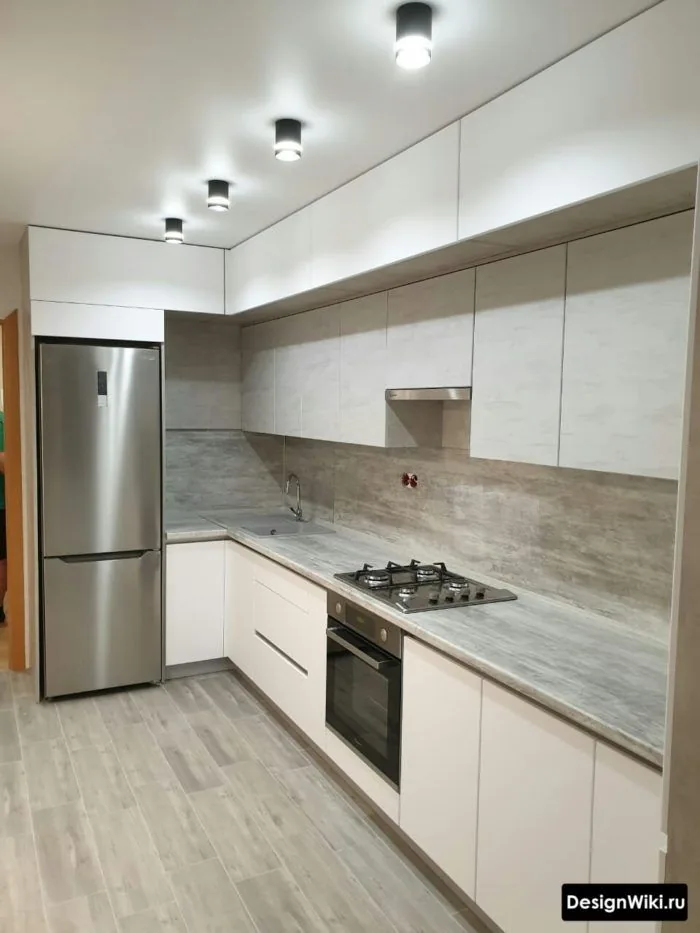
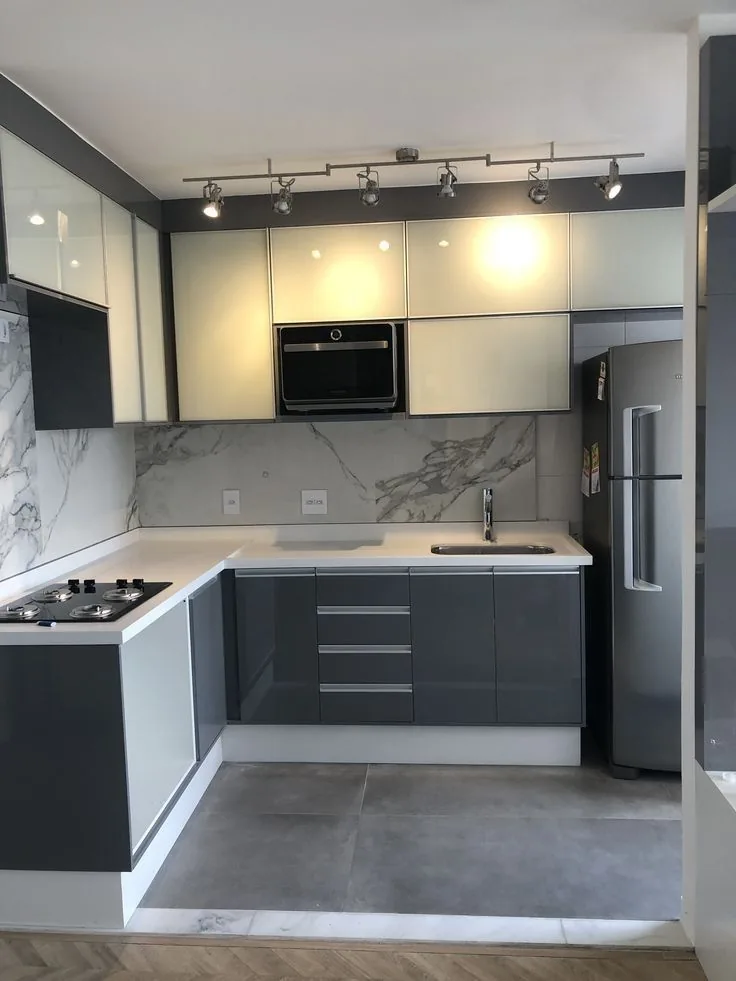
- kitchen, bathroom or living-area upgrades
- alterations involving walls, openings, ceilings or services
- maintenance backlogs across several trades
- a property being prepared for occupation, rental or sale
- commercial or managed-property upgrades that require phasing
What should be inspected before a scope is written
A site assessment should connect each visible symptom to a probable source and then test that assumption. The assessor should record affected areas, access limitations and adjacent building elements. Photographs are useful, but they should support rather than replace direct inspection. Where a defect may involve concealed structure or services, the quotation should state what can be confirmed now and what may only become clear after opening up.
- the desired outcome, priorities and available budget range
- existing structure, moisture issues and visible defects
- electrical, plumbing and other services affected by the work
- access, storage, protection and occupation constraints
- finishes, fixtures and owner-supplied items
- approvals or professional input that may be required for structural or regulated work
- the sequence between demolition, repairs, services, finishes and final commissioning
Repair and improvement options
The correct option depends on condition, compatibility and the outcome required. A responsible recommendation may combine urgent repair with later planned work rather than presenting every item as immediate. Options commonly considered include:
- a clearly defined essential scope before optional upgrades
- phased renovation where the property remains occupied
- coordination of building, painting, roofing and waterproofing work
- allowances for items that cannot be confirmed before opening up
- sample and finish approvals before bulk installation
- documented variations when the scope changes
- practical completion, snagging and handover checks
How the property type changes the plan
Commercial or managed property
For an office, retail or managed building in Gauteng, the plan should identify occupied zones, customer routes, parking, deliveries and acceptable work hours. A technically correct method can still fail operationally if these constraints are ignored.
Older property or previous repairs
For an older or repeatedly altered property in Gauteng, allow for uncertainty. Previous coatings, concealed repairs and mixed materials may only become clear after preparation or opening up. Our quotation will explain how discoveries will be reported and approved.
Residential property
For a house in Gauteng, the scope may be concentrated in one roof slope, room or external elevation. The owner should still check connected elements so a local repair does not leave the original moisture or movement path active.
Complex or estate
For a townhouse, estate or sectional-title property in Gauteng, access and responsibility need early confirmation. Work to a private unit may connect to common roofs, walls, drainage or external finishes, so approval and communication can be as important as the repair itself.
What the quotation should explain
Price is affected by condition more than by the name of the suburb. Height, access, occupied rooms, required protection, substrate failure, drying time, disposal, specialist equipment and the number of separate work areas can all change labour and programme. Product quality matters, but an expensive product on an unprepared surface is not a durable specification.
Preparation, access and protection
Before the start date, agree who will move furniture or vehicles, provide water and electricity, approve colours or samples, and give access to locked areas. Identify fragile landscaping, alarms, pets, tenants and equipment that require protection. For exterior or high-level work, the access method and exclusion area should be part of the plan rather than left to the first day.
Where weather affects the system, agree how the contractor will protect open areas and communicate postponements. For occupied buildings, establish daily cleaning and hand-back requirements. These details do not replace workmanship, but they prevent avoidable disruption and damage.
Common shortcuts that create repeat problems
- starting with finishes before moisture or structural defects are resolved
- using an incomplete quotation that excludes key trades
- changing layouts without confirming service routes
- ordering finishes before measurements and substrates are verified
- allowing verbal changes without cost and time implications
- underestimating protection and cleaning in occupied properties
- treating contingency as optional on older or previously altered buildings
Quality checks during and after the work
Durability is produced by a complete system, not one branded product. Substrate repair, primer, membrane, fasteners, sealants, topcoats and drainage details must work together. Records of products and colours should be retained so future maintenance does not begin with guesswork.
Maintenance after completion
A handover file can be simple: scope, photographs, product names, colour codes, completion date and any care instructions. This information is especially useful for complexes, estates, rental properties and commercial buildings where responsibility may change over time.
How Renovations Experts handles an enquiry in Gauteng
Send the property address, contact details, photographs and a short description of the problem or desired result. The team can then confirm whether a site assessment is required and what access information will help. After inspection, the proposed scope should identify the work areas, preparation, repair method, materials or system, exclusions and quotation assumptions.
Renovations Experts also coordinates related renovation, painting, roofing, roof-repair and waterproofing work where one defect crosses trade boundaries. This is useful when, for example, a roof leak has damaged ceilings, waterproofing must cure before repainting, or exterior repairs require both masonry preparation and coating work. Related work should still be itemised so the owner understands the sequence and cost.
Signs that the scope needs clarification
Pause before approval when quantities are missing, repair areas are described only as 'where necessary', products are unspecified, access is assumed, or important related damage is excluded without explanation. Clarification is also needed when the programme depends on immediate material availability, perfect weather or uninterrupted access. These issues do not automatically make a quotation unsuitable, but they should be converted into written assumptions. Clear assumptions allow the price and completion date to be adjusted fairly if site conditions differ from what could reasonably be seen before work started.
Keep the agreed scope available during the project and record decisions as they are made. A brief written note with the location, instruction and effect on cost or time is more reliable than trying to reconstruct a verbal conversation at handover.
Frequently asked questions about renovations in Gauteng
How should a renovation budget be prioritised?
Resolve safety, structure, water entry and essential services before decorative upgrades. Then rank functional improvements and finishes according to use and available budget.
Why are renovation quotations difficult to compare?
Contractors may include different repairs, finishes, fixtures, disposal and service work. A shared scope and schedule of finishes makes comparison more meaningful.
What happens when hidden damage is found?
Our team will document it, explain options and issue a written variation before additional work proceeds, except where immediate action is needed to make the area safe.
Can a renovation be phased?
Yes. Phasing can support cash flow or occupation, but dependencies must be respected so completed work is not damaged by later stages.
Who supplies finishes and fixtures?
Either party can, provided responsibility, specifications, delivery dates, storage, damage risk and installation requirements are clearly recorded.
Prepare for a more useful site assessment
Before requesting a quotation, write down when the problem started, whether it changes with rain or use, what repairs have already been attempted and which outcome matters most. Include photographs from a safe position, but do not climb onto roofs or enter unsafe areas. A clear history helps the assessor focus on likely causes and reduces the risk of pricing only the visible symptom.
Review the main renovations service information →
Clear records support future property maintenance.